Buy filmdog.eu ?
We are moving the project
filmdog.eu .
Are you interested in purchasing the domain
filmdog.eu ?
domain@kv-gmbh.de · 0541-91531010
Buy filmdog.eu ?
How is methanol produced during wine production?
Methanol is produced during wine production as a byproduct of fermentation. Yeast naturally present on grape skins consumes the sugars in the grape juice and produces ethanol as a primary product of fermentation. However, a small amount of methanol is also produced alongside ethanol. Methanol levels in wine are typically very low and are considered safe for consumption. **
How is wine production done in chemistry?
Wine production involves several chemical processes that are carefully controlled to ensure the desired flavor, aroma, and quality of the final product. The fermentation process, where yeast converts sugars into alcohol and carbon dioxide, is a key chemical reaction in wine production. Additionally, the use of additives such as sulfur dioxide, enzymes, and fining agents helps to stabilize and clarify the wine. Chemistry is also involved in the analysis of the wine's composition, including alcohol content, acidity, and volatile compounds, to ensure it meets quality standards. Overall, chemistry plays a crucial role in every step of the winemaking process, from grape to bottle. **


Similar search terms for Pfaltzgraff-Winterberry-Stemless-Wine
Top-Angebote
Products related to Pfaltzgraff-Winterberry-Stemless-Wine:
-
Pfaltzgraff Set of 4 Winterberry Sentiments Wine Glasses - 13-ozAs fall turns to winter, bright holly berries make their appearance. Winterberry dinnerware is the holiday classic that brings this timeless motif to life in elegantly sculpted dinnerware and serveware, beautiful glassware, and joyous giftware.34,49 $*Shipping: 0,00 $Secure redirect to the provider
-
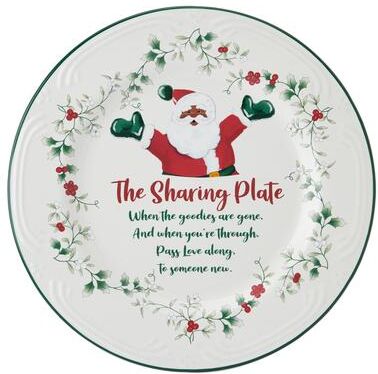
Pfaltzgraff Winterberry Sharing Plate, 12 InchAs fall turns to winter, bright holly berries make their appearance. Winterberry by Pfaltzgraff is the holiday classic that brings this timeless motif to life in elegantly sculpted dinnerware and serveware, beautiful glassware, and joyous giftware.22,12 $*Shipping: 0,00 $Secure redirect to the provider
-
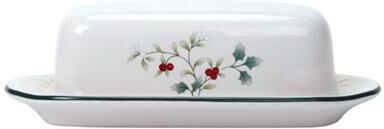
Pfaltzgraff Winterberry Covered Butter Dish - N/AWinterberry celebrates the holly leaves and berries that make their appearance each winter and are an iconic symbol of the Christmas season. BUTTER DISH: a staple of the dining table, this butter dish has a lid to keep butter covered in between use.20,52 $*Shipping: 0,00 $Secure redirect to the provider
-
Pfaltzgraff Winterberry Set of 2 Nesting BowlsAs fall turns to winter, bright holly berries make their appearance. The Winterberry collection is the holiday classic that brings this timeless motif to life in elegantly sculpted dinnerware and serveware, beautiful glassware, and joyous giftware.53,46 $*Shipping: 0,00 $Secure redirect to the provider


-
How is methanol used in wine production?
Methanol is a natural byproduct of the fermentation process in winemaking. It is found in small quantities in all wines, but excessive levels can be harmful. Winemakers carefully monitor and control the methanol levels during fermentation to ensure they remain within safe limits. Methanol is also used in the production of fortified wines like sherry and port, where it is added in controlled amounts to fortify the wine and increase its alcohol content. **
-
How is wine production carried out in chemistry?
Wine production involves several key chemical processes. First, grapes are crushed to release their juice, which contains sugars, acids, and other compounds. Yeast is then added to ferment the sugars into alcohol, a process known as alcoholic fermentation. During fermentation, various chemical reactions occur, producing byproducts such as carbon dioxide and heat. Finally, the wine is aged in barrels or tanks, allowing for further chemical changes to occur that can enhance the flavor and aroma of the final product. Throughout the entire production process, careful monitoring and control of various chemical parameters are essential to ensure the quality and consistency of the wine. **
-
Wine tavern or wine bar?
A wine tavern typically refers to a traditional, casual establishment that serves wine along with simple, hearty food in a cozy, rustic setting. On the other hand, a wine bar is often a more modern and upscale establishment that focuses on offering a wide selection of wines, often with a more sophisticated atmosphere and a menu that may include small plates or gourmet dishes. Both offer a unique experience and cater to different preferences, so the choice between the two depends on the desired ambiance and dining experience. **
-
Which wine is preferred with lasagna, white wine or red wine?
Red wine is generally preferred with lasagna because its bold flavors and tannins complement the richness of the tomato sauce and cheese in the dish. The acidity in red wine also helps to cut through the richness of the lasagna, creating a balanced and enjoyable pairing. While some people may enjoy a white wine with a lighter, seafood-based lasagna, the majority of wine experts and enthusiasts would recommend a red wine, such as a Chianti or Sangiovese, to accompany a traditional meat or vegetable lasagna. **

What is the reaction equation for the production of wine?
The reaction equation for the production of wine is the fermentation of sugars by yeast. This process converts glucose (C6H12O6) into ethanol (C2H5OH) and carbon dioxide (CO2). The chemical equation for this reaction is: C6H12O6 → 2C2H5OH + 2CO2. This process is essential in winemaking as it produces alcohol, which gives wine its characteristic taste and aroma. **
What is the year of production of the red wine?
The year of production of the red wine is 2018. **
Top-Angebote
Products related to Pfaltzgraff-Winterberry-Stemless-Wine:
-
Pfaltzgraff Set of 4 Winterberry Sentiments Wine Glasses - 13-ozAs fall turns to winter, bright holly berries make their appearance. Winterberry dinnerware is the holiday classic that brings this timeless motif to life in elegantly sculpted dinnerware and serveware, beautiful glassware, and joyous giftware.34,49 $*Shipping: 0,00 $Secure redirect to the provider
-
Pfaltzgraff Winterberry Sharing Plate, 12 InchAs fall turns to winter, bright holly berries make their appearance. Winterberry by Pfaltzgraff is the holiday classic that brings this timeless motif to life in elegantly sculpted dinnerware and serveware, beautiful glassware, and joyous giftware.22,12 $*Shipping: 0,00 $Secure redirect to the provider
-
How is methanol produced during wine production?
Methanol is produced during wine production as a byproduct of fermentation. Yeast naturally present on grape skins consumes the sugars in the grape juice and produces ethanol as a primary product of fermentation. However, a small amount of methanol is also produced alongside ethanol. Methanol levels in wine are typically very low and are considered safe for consumption. **
-
How is wine production done in chemistry?
Wine production involves several chemical processes that are carefully controlled to ensure the desired flavor, aroma, and quality of the final product. The fermentation process, where yeast converts sugars into alcohol and carbon dioxide, is a key chemical reaction in wine production. Additionally, the use of additives such as sulfur dioxide, enzymes, and fining agents helps to stabilize and clarify the wine. Chemistry is also involved in the analysis of the wine's composition, including alcohol content, acidity, and volatile compounds, to ensure it meets quality standards. Overall, chemistry plays a crucial role in every step of the winemaking process, from grape to bottle. **
-
How is methanol used in wine production?
Methanol is a natural byproduct of the fermentation process in winemaking. It is found in small quantities in all wines, but excessive levels can be harmful. Winemakers carefully monitor and control the methanol levels during fermentation to ensure they remain within safe limits. Methanol is also used in the production of fortified wines like sherry and port, where it is added in controlled amounts to fortify the wine and increase its alcohol content. **
-
How is wine production carried out in chemistry?
Wine production involves several key chemical processes. First, grapes are crushed to release their juice, which contains sugars, acids, and other compounds. Yeast is then added to ferment the sugars into alcohol, a process known as alcoholic fermentation. During fermentation, various chemical reactions occur, producing byproducts such as carbon dioxide and heat. Finally, the wine is aged in barrels or tanks, allowing for further chemical changes to occur that can enhance the flavor and aroma of the final product. Throughout the entire production process, careful monitoring and control of various chemical parameters are essential to ensure the quality and consistency of the wine. **
Similar search terms for Pfaltzgraff-Winterberry-Stemless-Wine
-
Pfaltzgraff Winterberry Covered Butter Dish - N/AWinterberry celebrates the holly leaves and berries that make their appearance each winter and are an iconic symbol of the Christmas season. BUTTER DISH: a staple of the dining table, this butter dish has a lid to keep butter covered in between use.20,52 $*Shipping: 0,00 $Secure redirect to the provider
-
Pfaltzgraff Winterberry Set of 2 Nesting BowlsAs fall turns to winter, bright holly berries make their appearance. The Winterberry collection is the holiday classic that brings this timeless motif to life in elegantly sculpted dinnerware and serveware, beautiful glassware, and joyous giftware.53,46 $*Shipping: 0,00 $Secure redirect to the provider
-
Wine tavern or wine bar?
A wine tavern typically refers to a traditional, casual establishment that serves wine along with simple, hearty food in a cozy, rustic setting. On the other hand, a wine bar is often a more modern and upscale establishment that focuses on offering a wide selection of wines, often with a more sophisticated atmosphere and a menu that may include small plates or gourmet dishes. Both offer a unique experience and cater to different preferences, so the choice between the two depends on the desired ambiance and dining experience. **
-
Which wine is preferred with lasagna, white wine or red wine?
Red wine is generally preferred with lasagna because its bold flavors and tannins complement the richness of the tomato sauce and cheese in the dish. The acidity in red wine also helps to cut through the richness of the lasagna, creating a balanced and enjoyable pairing. While some people may enjoy a white wine with a lighter, seafood-based lasagna, the majority of wine experts and enthusiasts would recommend a red wine, such as a Chianti or Sangiovese, to accompany a traditional meat or vegetable lasagna. **
-
What is the reaction equation for the production of wine?
The reaction equation for the production of wine is the fermentation of sugars by yeast. This process converts glucose (C6H12O6) into ethanol (C2H5OH) and carbon dioxide (CO2). The chemical equation for this reaction is: C6H12O6 → 2C2H5OH + 2CO2. This process is essential in winemaking as it produces alcohol, which gives wine its characteristic taste and aroma. **
-
What is the year of production of the red wine?
The year of production of the red wine is 2018. **
* All prices are inclusive of VAT and, if applicable, plus shipping costs. The offer information is based on the details provided by the respective shop and is updated through automated processes. Real-time updates do not occur, so deviations can occur in individual cases. ** Note: Parts of this content were created by AI.